



High-Yield Savings Accounts in the United States: Are They Still Worth It?

Interest rates have been a major talking point since the Federal Reserve began its aggressive rate-hiking cycle in 2022. One direct beneficiary of everyday savers has been the high-yield savings account.
But with rate cuts now in motion, a reasonable question has emerged: are these accounts still worth using? The short answer is yes, but here is the context.
What is a high-yield savings account, and how does it work?
A high-yield savings account (HYSA) is a savings account that offers a significantly higher annual percentage yield (APY) than a standard savings account. They work like any other savings account; your money is liquid, FDIC-insured, and earns interest over time, but the returns are meaningfully better.
Most HYSAs are offered by online banks, which keep overhead low and pass the difference to customers through better rates.
How much more do high-yield savings accounts earn compared to regular savings?
The gap is substantial. As of early 2024, the national average APY on a traditional savings account is 0.46%, according to the FDIC. High-yield accounts at online banks have been offering anywhere from 4.5% to 5.25% APY during the same period.
On a $15,000 balance, that is roughly $69 per year in a traditional account versus $750 or more in a high-yield account. The math makes the choice fairly obvious for anyone leaving money in savings long-term.
Do high-yield savings account rates change over time?
Yes, high-yield savings account rates change over time, and this is the most important thing to understand about them. HYSAs carry variable interest rates, meaning the APY adjusts based on the federal funds rate set by the Federal Reserve.
When the Fed raises rates, HYSA yields go up. When the Fed cuts rates, yields follow. The Fed began cutting rates in late 2024, and many online banks have already adjusted their offerings downward in response.
Rates that were above 5% are gradually declining, though most HYSAs still outperform traditional accounts by a wide margin.
Are high-yield savings accounts the right place for all your savings?
High-yield savings accounts are not necessarily the right place for all your savings. HYSAs are best suited for specific financial goals like:
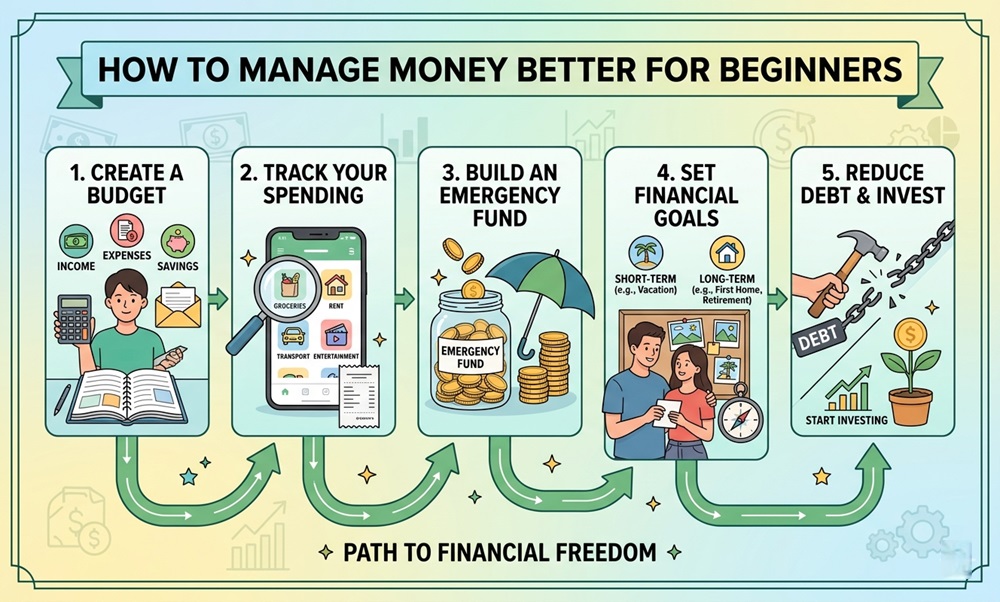
- Emergency funds: Liquid, accessible, and earning more than a checking account.
- Short-term savings goals: A home down payment, car purchase, or planned expense within 1-3 years.
- Cash reserves: Money you need available but do not want sitting idle.
They are not ideal for long-term wealth building. Over a 20-year period, even a 5% savings rate will not outpace inflation-adjusted returns from a diversified investment portfolio.
According to data from J.P. Morgan Asset Management, the S&P 500 has delivered an average annual return of roughly 10% over the past 50 years, nearly double what today’s best HYSAs offer.
The right approach: use HYSAs for the money you need to protect and access. Invest what you can afford to leave alone.
What should you look for when choosing a high-yield savings account?
Not all HYSAs are equal. Here are some key factors to compare:
|
Factor |
What to Look For |
|---|---|
|
APY |
Current rate and rate history |
|
FDIC Insurance |
Confirmed coverage up to $250,000 |
|
Fees |
No monthly maintenance fees |
|
Minimum Balance |
Low or no minimum to earn full APY |
|
Withdrawal Limits |
Check for transfer restrictions |
|
Mobile Access |
Reliable app and digital tools |
A 2023 Bankrate study found that Americans collectively lost an estimated $75 billion in potential interest by keeping money in low-yield traditional accounts instead of high-yield alternatives. That figure alone makes the case for switching.
High-yield savings accounts are not a permanent wealth strategy, but they are one of the simplest, lowest-risk ways to make idle cash work harder. In the current environment, that still matters.